Fabrics
How to Choose Fabric for Teamwear
Four questions decide the right fabric for a team kit: the sport, the climate, how it will be decorated, and how long it needs to last. Here is how to answer each one.
Team managers usually choose a kit by its design, then accept whatever fabric comes with it. That works until the shirts tear in the first month of rugby season, or the goalkeeper's white shorts turn see-through in the rain.
Four questions will get you to the right fabric for almost any team kit.
1. What sport is it for?
The sport sets the minimum standard.
- Contact sports (rugby, American football, handball) need fabrics that resist grabbing and abrasion — a heavier, denser knit and reinforced seams.
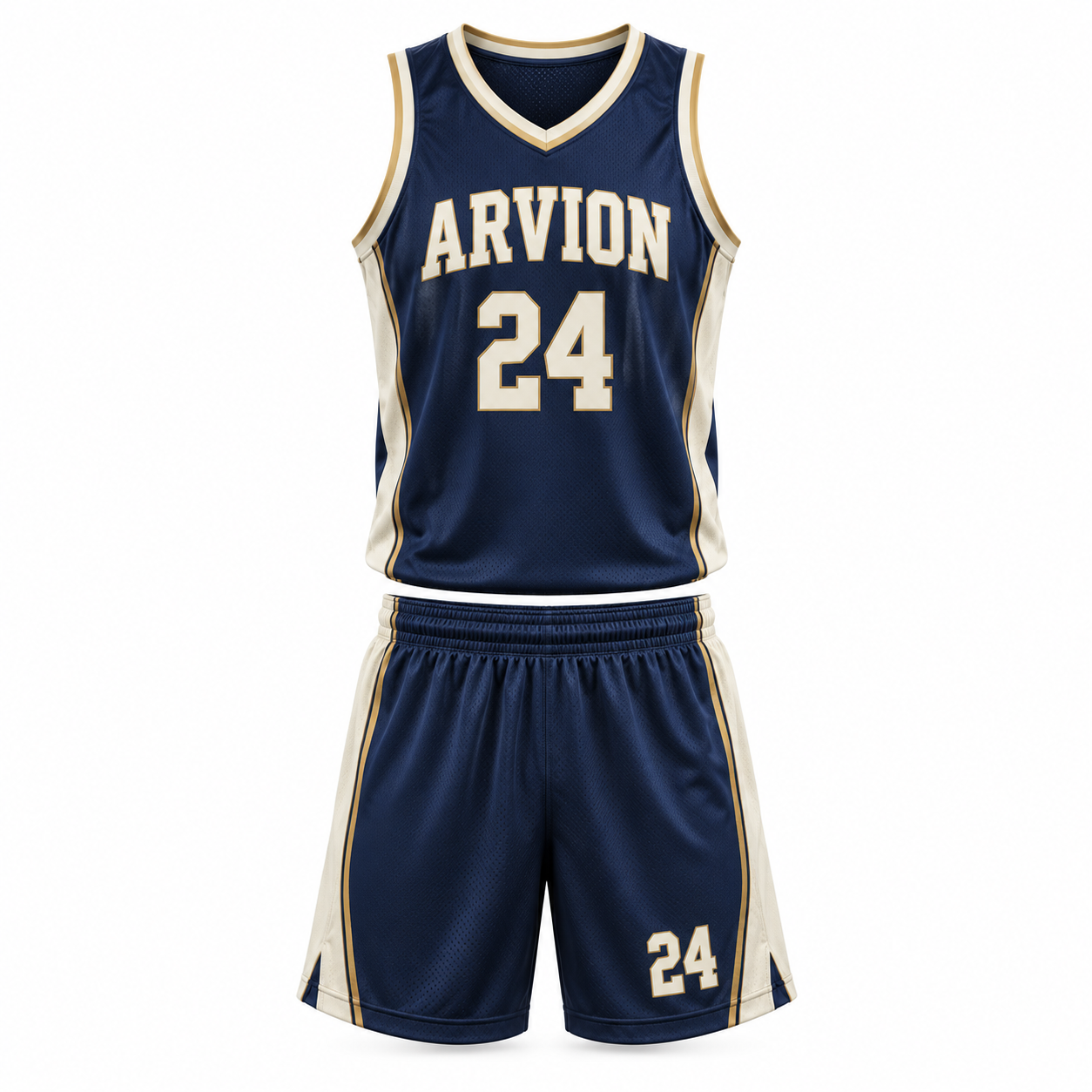
- Indoor court sports (basketball, volleyball, futsal) need maximum breathability — mesh or light interlock.
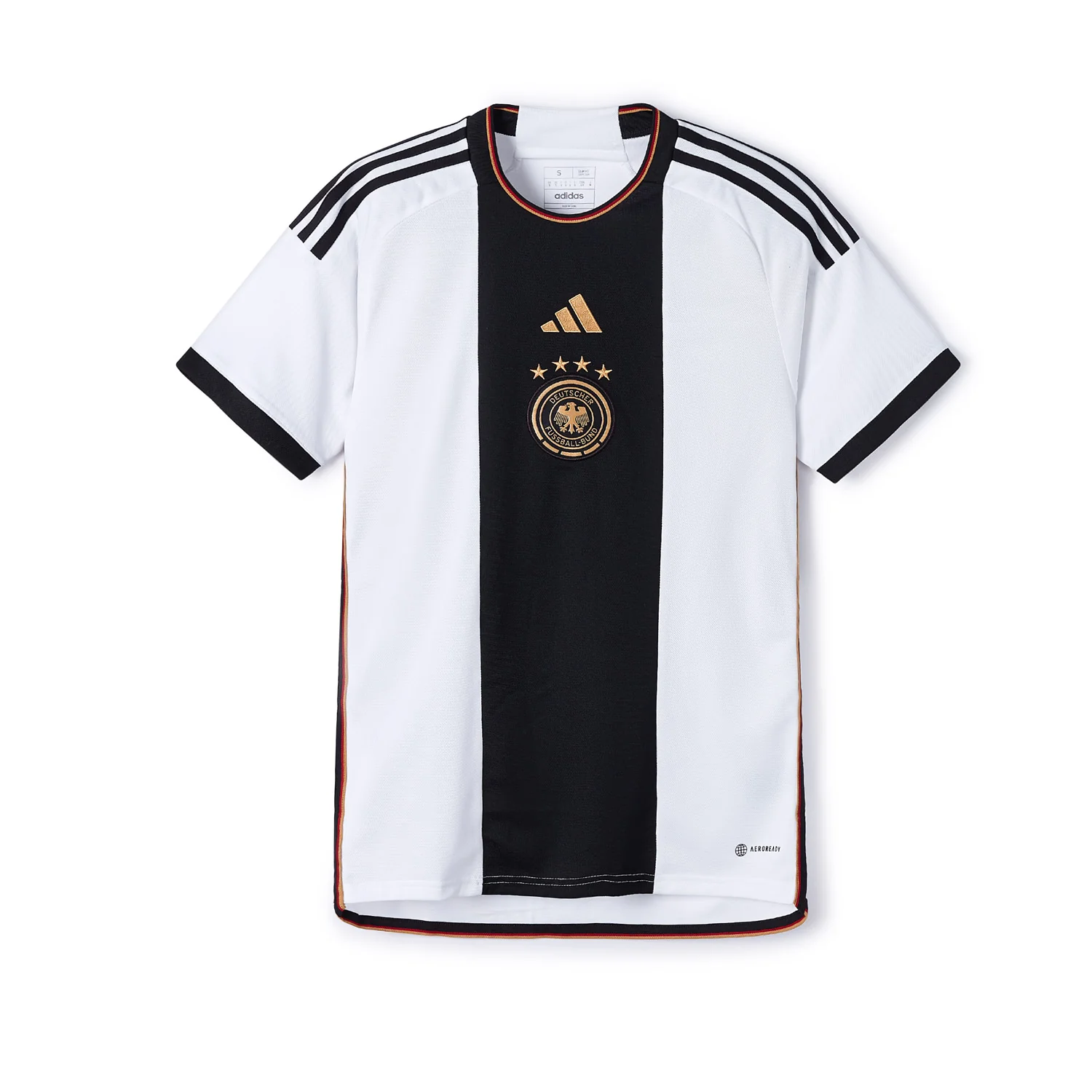
- Field sports (football, hockey) sit in between: light, quick-drying and tough enough for slide tackles.
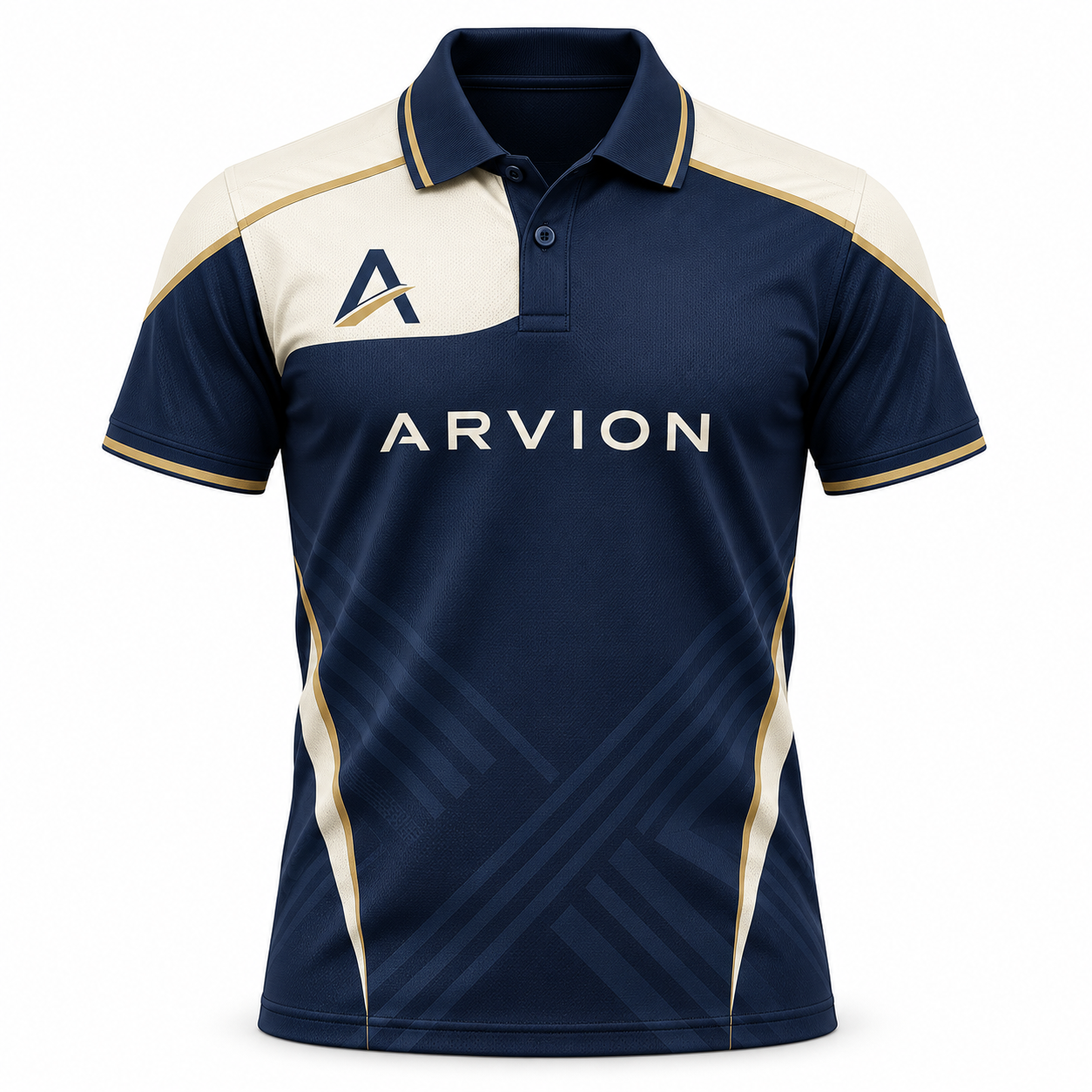
- Long-duration sports (cricket, cycling, running) need comfort over hours: breathable, soft against skin, sometimes with UV protection.
2. Where and when will it be worn?
Climate changes the weight. A football shirt for a summer league in a hot country can drop to 120–130 GSM; the same shirt for a northern European winter is better at 150–160 GSM, perhaps with a long-sleeve thermal base layer underneath.
Think about rain too. Light colours in very light fabrics can become transparent when wet — test a sample with water before approving white shorts.
3. How will it be decorated?
Decoration narrows the options quickly:
- Sublimation needs polyester (or a high-polyester blend) in white or a light base. Almost all modern kits use it.
- Embroidery needs a fabric stable enough to hold stitches; very light mesh may need a backing.
- Screen printing and heat transfers work on most fabrics, including cotton for supporter wear.
If your design is fully sublimated, choose from polyester knits only.
4. How long does it need to last?
A one-off tournament kit can use a lighter, cheaper fabric. A club kit expected to last two or three seasons of weekly matches should use a more durable knit, and the shorts deserve as much attention as the shirt — they usually wear out first.
Training wear needs to be tougher than match wear, because it is worn and washed several times a week.
Recommended starting points
| Sport | Shirt fabric | Shorts fabric |
|---|---|---|
| Football | Polyester interlock or bird's-eye, 130–160 GSM | Interlock or stretch woven |
| Basketball | Micro-mesh, 120–140 GSM | Mesh or interlock |
| Rugby | Rugby knit, 220–260 GSM | Stretch woven, reinforced |
| Cricket | Polyester pique or bird's-eye, 150–180 GSM | Stretch woven trousers |
| Volleyball | Stretch performance jersey | Stretch knit |
| Cycling | Stretch performance jersey | — |
| Training | Bird's-eye mesh, 140–160 GSM | Stretch woven with zipped pockets |
Compare all of these in our materials library. If you are still unsure, tick "Recommend a material for me" on the quote form and tell us the sport and climate.