Teamwear
How Much Does Custom Teamwear Cost?
The factors that set the price of custom teamwear — quantity, fabric, construction, decoration, personalisation, packaging and shipping — and how to get the most kit for your budget.
"How much is a kit?" is the first question most clubs ask, and the honest answer is: it depends on about seven things. Once you know what they are, you can make sensible trade-offs and read quotations with confidence.
Each product page on our site shows an estimated factory price range by quantity where available. Use it for budgeting; your quotation is based on your exact specification.
1. Quantity
Every order carries fixed costs — design set-up, sampling, cutting and inspection. More pieces share those costs, so the price per piece falls as quantity rises. That is why price ranges are shown in quantity bands.
2. Fabric and weight
Fabric is usually the biggest single cost in a garment. Heavier fabrics, technical knits and recycled yarns cost more per metre than standard polyester. A 230 GSM rugby knit costs more than a 140 GSM football interlock, and should — it does a different job. See what GSM means.
3. Construction
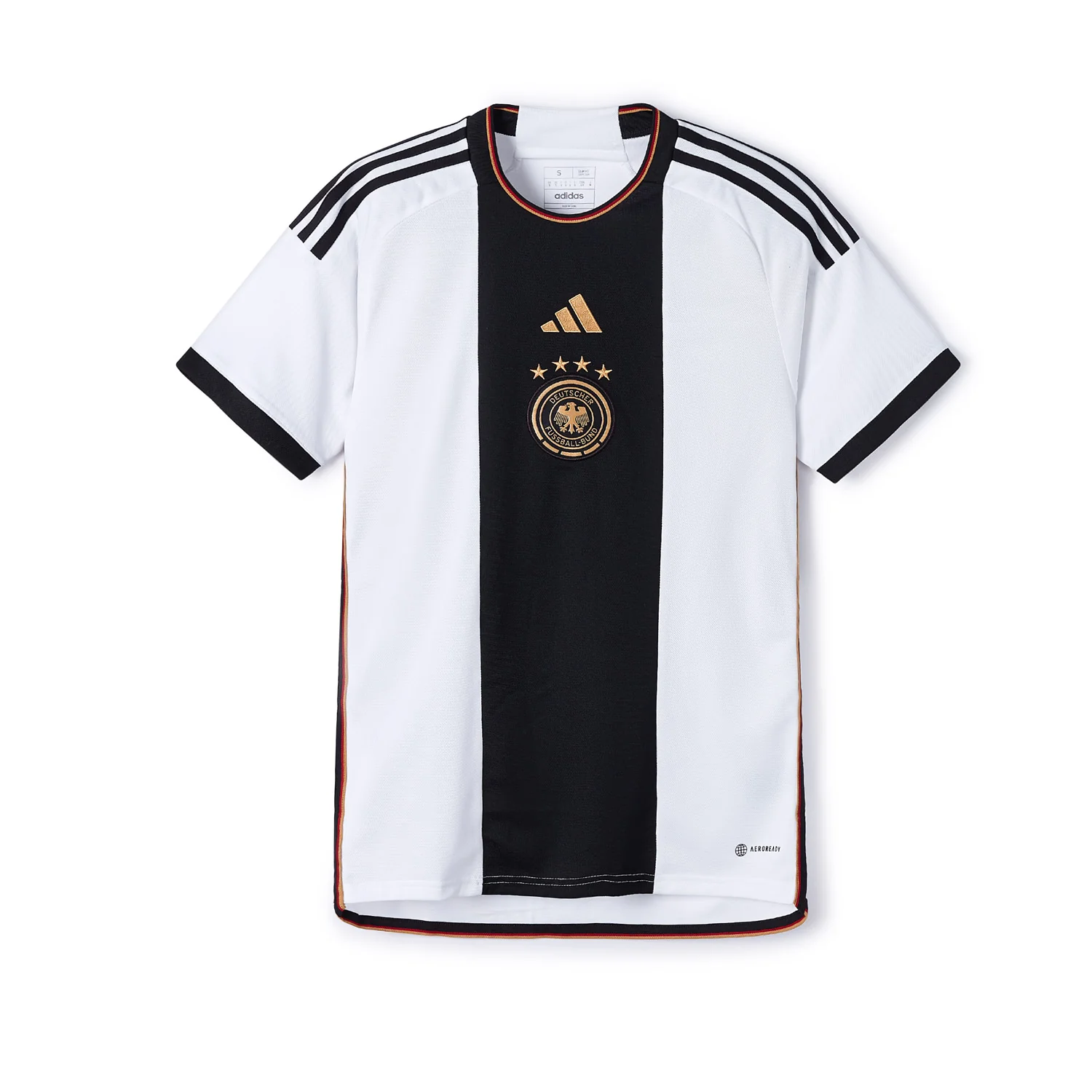
Panels, collars, zips, pockets and reinforced seams all add sewing time. A crew-neck jersey costs less to make than a shirt with a woven collar and button placket; a full-zip track jacket costs more than a quarter-zip.
4. Decoration
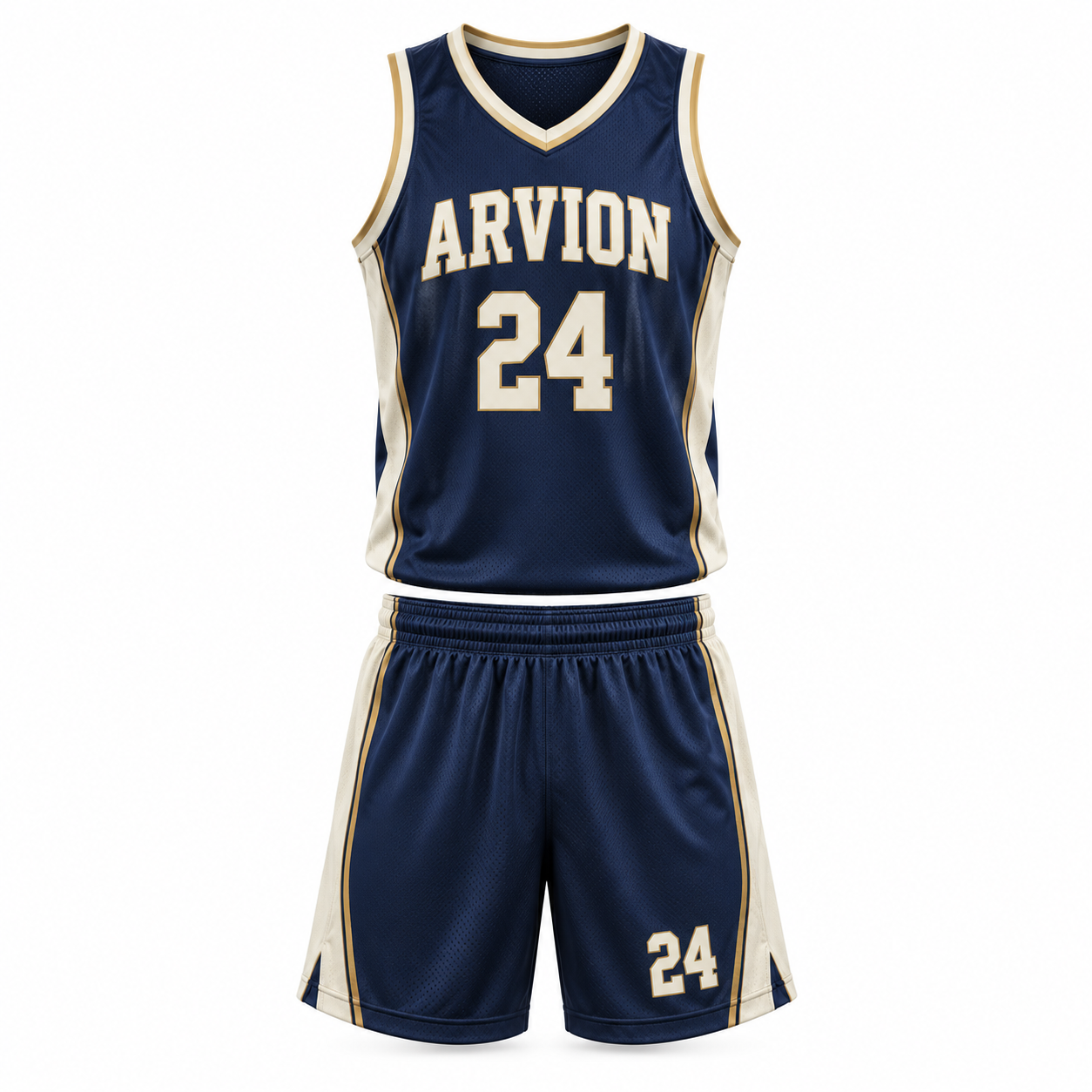
- Sublimation prices the design into the fabric. Complex designs cost the same as plain ones, which makes it excellent value for match kits.
- Embroidery is priced by stitch count and the number of positions.
- Screen printing has set-up per colour, so it becomes cheaper on larger runs.
- Heat transfers cost per application — useful for names and numbers.
5. Personalisation
Names and numbers add a small cost per piece, and a little admin time to check every one against your squad list. Sublimated numbers are usually the cheapest option once the design is set up.
6. Labels and packaging
Printed neck labels, woven labels, hang tags and individual or per-player packing add small amounts per piece. For clubs this is often optional; for brands and retailers it is essential.
7. Shipping and duties
Shipping depends on weight, volume, destination and speed. Express courier is fastest and simplest for most team orders; air and sea freight suit larger orders. Import duties and taxes depend on your country. Always compare quotations on the same shipping basis.
How to get more kit for the same budget
- Choose sublimation for match and training tops.
- Keep embroidery for items where it adds real value, such as tracksuit crests.
- Order home and away together to share set-up and shipping.
- Pick standard fabric weights unless the sport needs heavier.
- Plan quantities to reach the next price band if you are close to it.
- Send a complete squad list early to avoid a costly second shipment.
Reading a quotation
Check that it states: fabric and GSM, decoration method for each logo, sizes, names and numbers, labels and packaging, sample cost, production time, shipping method and who pays duties. If two quotes differ a lot in price, the difference is almost always in one of these lines.