Manufacturing
How Custom Teamwear Is Made
What actually happens between sending your club crest and handing out finished kits — the design, sublimation, personalisation and packing steps that are specific to team orders.
Teamwear follows the same basic production process as any sportswear, but a few steps are unique to it. A team order is many small orders in one: every shirt has a different name, number and size, and they all have to arrive at the same time, looking identical.
It starts with the design, not the garment
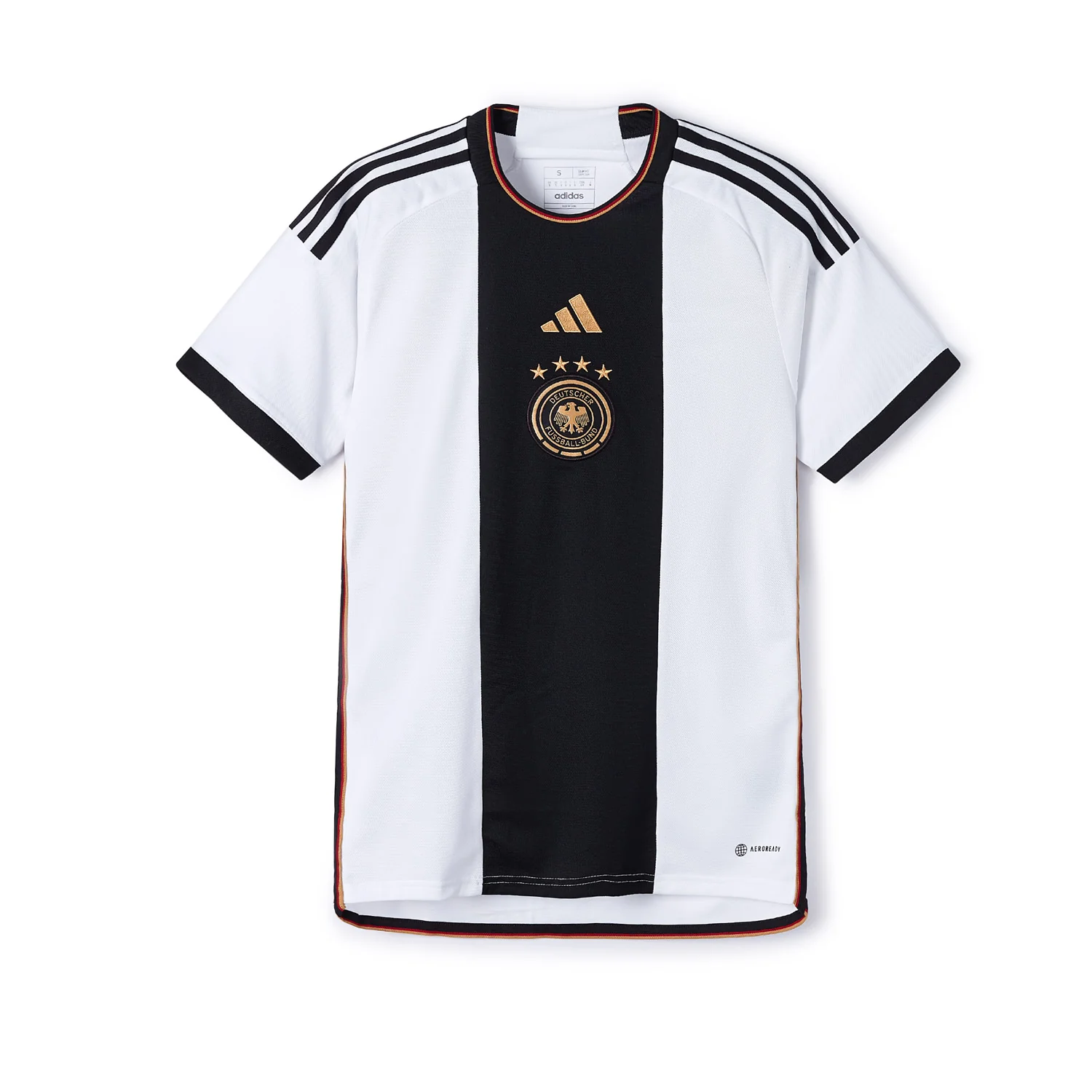
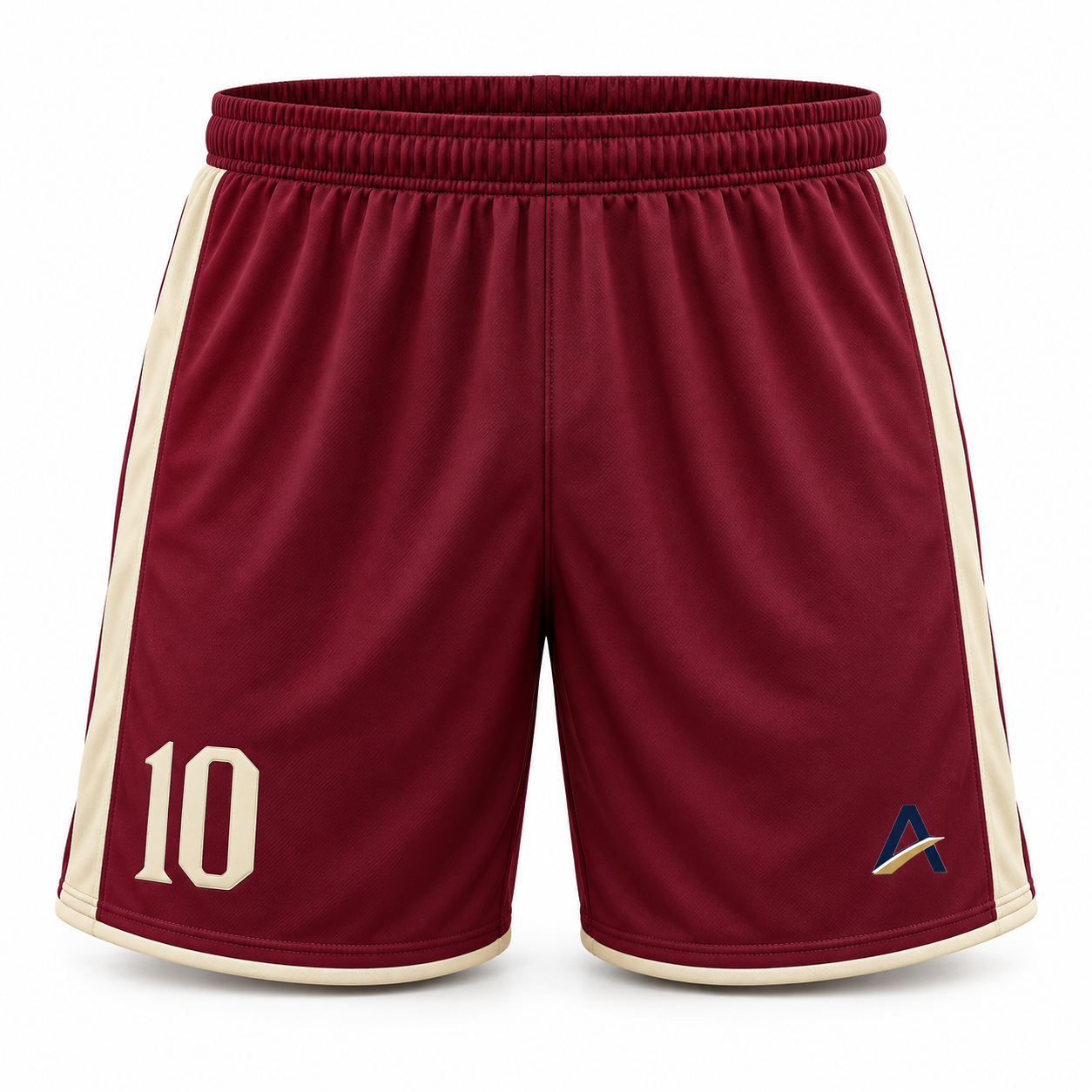
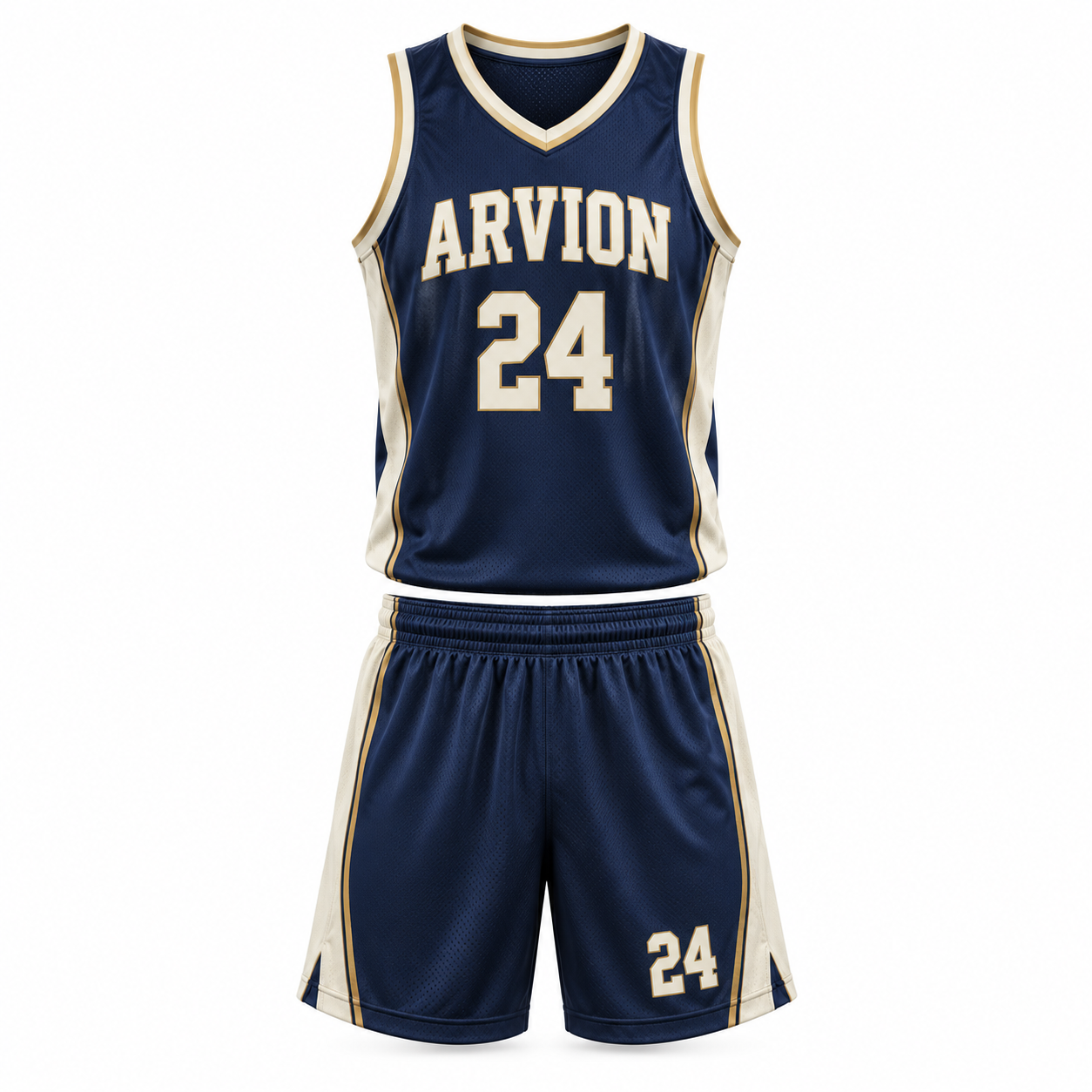
For most clubs, the first conversation is about how the kit should look: colours, stripes, collar, crest position, sponsors. A designer places all of this on a garment template and returns a mock-up showing front, back and sleeves at real proportions.
This is where to check details that are easy to miss on a phone screen: whether the sponsor is wide enough to read from the stands, whether the crest sits on the heart side, whether the number font matches your league's rules.
You can start this step yourself in our kit builder, then send the design to us as part of your quote request.
Why most kits are sublimated
Almost all modern match shirts are made by dye sublimation. The design is printed onto transfer paper with special inks, then pressed onto white polyester fabric at high temperature. The ink turns to gas and bonds with the fibres, so the colour becomes part of the fabric.
For teams, that has three practical advantages:
- No limit on design. Hoops, gradients, patterns and photo-quality graphics cost the same as a plain shirt.
- Nothing to peel or crack. There is no layer of ink sitting on top of the fabric.
- Consistent reorders. The design is a digital file, so next season's top-up order prints the same way.
The trade-off is that sublimation only works on polyester, and only on white or light fabric. That is why a sublimated "black" shirt is actually printed black.
Personalisation: names and numbers
Names and numbers are either printed as part of the sublimated design or applied afterwards as heat transfers. Sublimated numbers are permanent and cost nothing extra once the design file is set up; heat transfers make it easier to add new players later.
The squad list matters more than any other document in a team order. We ask for it as a spreadsheet with three columns — name, number, size — and check it against the order quantities before production, then again during final inspection.
Sizing a squad
Kits are usually ordered across a wide size range, from youth sizes to adult XXL or larger, in men's and women's cuts. Sizes can be mixed freely within the order minimum. If players are unsure, a size set (one sample in each size) lets them try before the order is confirmed.
Inspection and packing
Before packing, every shirt is checked for print quality, seam strength and measurements, and every name and number is compared with the squad list. On request, kits are packed per player — shirt, shorts and socks in one labelled bag — which makes distribution quick for kit managers.
Reordering
New players join mid-season. Because the design file, fabric and trims are already on record, a top-up order is mostly a matter of sending new names, numbers and sizes. In your customer account, you can reorder the same product in a few clicks.